





Nicaraguan Cigars
Nicaraguan cigar cultivation began in the 1960s when Cuban exiles fled the revolution and brought their tobacco expertise with them. They settled in fertile regions like Estelí and Jalapa, where volcanic soil offered ideal growing conditions. Over time, ancient eruptions enriched the land with minerals, transforming Nicaragua into a serious cigar producer.
One legendary story follows the Plasencia family, who arrived with little more than seeds and determination. During the 1970s, they planted tobacco amid civil unrest and armed conflict. On one occasion, they even traded cigars for safe passage through militia-controlled areas. That persistence paid off. Today, Nicaragua rivals Cuba in prestige, producing cigars known for strength, depth, and character. As a result, Nicaraguan cigars now anchor the global premium cigar market.
Growing Regions and Tobacco Varieties
Nicaragua’s tobacco thrives across several distinct regions, each contributing unique characteristics. Estelí produces bold, mineral-rich leaves with power and structure. In contrast, Jalapa delivers sweeter, smoother tobacco with refined aromas. Meanwhile, Condega continues to gain recognition for balanced and versatile filler leaves.
Key tobacco varieties include Criollo, which brings earthy spice and complexity, and Corojo, prized for its peppery intensity. Nicaragua’s climate supports this diversity, combining hot days with cooler nights that slow leaf maturation. However, weather remains unpredictable. Hurricanes and heavy rains, such as Hurricane Mitch in 1998, can destroy entire crops. Despite these challenges, farmers persist. The volcanic terroir rewards patience, producing tobacco with unmistakable richness, strength, and depth.
Flavour Profile and Strength
Nicaraguan cigars stand out for their bold, full-bodied profiles and layered complexity. Smokers often experience flavours of black pepper, espresso, and dark chocolate, supported by leather and earth. Occasionally, subtle sweetness or dried fruit appears on the finish.
Despite their power, these cigars maintain impressive balance. Careful fermentation and long aging soften the edges and enhance depth. The draw feels firm yet smooth, allowing flavours to evolve from spicy to creamy throughout the smoke. Brands like Padrón showcase intensity and precision, while My Father delivers nuance and refinement. Rather than whispering, Nicaraguan cigars make a confident statement. They reward experienced smokers seeking strength without sacrificing complexity.
Industry Strength and Craft Culture
Nicaragua’s cigar industry reflects resilience and growth. Major manufacturers like Padrón, Drew Estate, and Joya de Nicaragua export millions of cigars each year. Together, they support an industry valued at over $300 million annually.
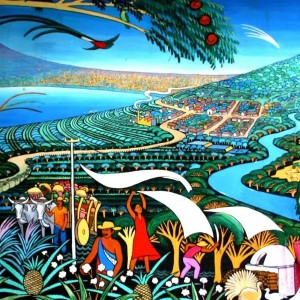
Yet, the heart of production remains in the fields. Farmers in Estelí work under harsh sun, tending crops by hand and drawing on generations of knowledge. Many share stories of surviving political unrest and economic uncertainty while enjoying hand-rolled puros together. Inside the factories, skilled rollers craft cigars with rhythmic precision, often surrounded by music and lively conversation. This blend of discipline and culture fuels Nicaragua’s reputation for powerful, expressive cigars.
Why Nicaraguan Cigars Stand Apart
Ultimately, Nicaraguan cigars represent rebellion, resilience, and raw flavour. They rise from volcanic soil and human determination, shaped by hardship and passion. Whether enjoyed in a quiet lounge or shared during a festive gathering, these cigars deliver intensity and authenticity. Light one, and you taste the land, the struggle, and the triumph. Each draw tells a bold story unfiltered, unapologetic, and unmistakably Nicaraguan.