





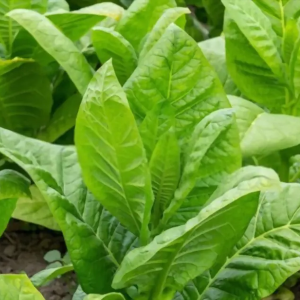
Cigar tobacco cultivation is an art born from centuries of trial and error. Seeds like Criollo, Corojo, and Connecticut Shade trace their lineage to ancient varieties revered by indigenous tribes as far back as 1000 BC. These plants are grown in regions from Central America to Southeast Asia. Each seed type tweaked for local soils and climates.
Cuba’s Vuelta Abajo, with its volcanic loam, grows Criollo for spicy, earthy fillers. Nicaragua’s Estelí churns out peppery Corojo in sun-soaked fields, where volcanic ash adds fire. Ecuador’s Los Ríos nurtures Connecticut Shade under cloud cover, yielding creamy wrappers. Brazil’s Bahia produces sweet Mata Fina in humid tropics, while Mexico’s San Andrés Valley crafts dark, oily Negro for maduro wrappers.
Each tobacco type brings a unique vibe to the cigar. Criollo, a Cuban classic, delivers bold, earthy spice with hints of leather. Corojo, born in Cuba but thriving in Honduras, packs a peppery punch, perfect for robust fillers. Connecticut Shade, grown under tents in Ecuador or the U.S.A, offers creamy, mild sweetness. Sumatra, with Indonesian roots, adds aromatic, floral notes, while Brazil’s Mata Fina brings cocoa and sweetness. Finally, Mexico’s San Andrés Negro lends dark has a luscious chocolatey depth.
Qualities vary by role: Wrappers need thin, elastic leaves, binders require strength and fillers demand flavour.
Of course it’s the farmers who steal the show. Whether in Cuba’s Pinar del Río, enduring state quotas, or Ecuador’s misty highlands, rigging tarps against rain. They share hand-rolled puros at harvest fiestas, their stories of surviving storms or pests as rich as the leaves they grow. Rollers in tabacaleras, from Honduras’ salsa-filled workshops to Brazil’s cachaça-scented factories, weave leaves with rhythmic precision. Infusing cigars with local culture—laughter, music, and pride in every twist.